
Filtered water is tap water that has passed through a filter system typically activated carbon, reverse osmosis, or a combination of both, to reduce contaminants like chlorine, lead, cysts, and pharmaceuticals. It is not the same as purified water or distilled water, and it is not the same as bottled water, even though bottled water is often filtered tap water in disguise.
Most people drinking filtered water from a home filter are getting something safer and better tasting than unfiltered tap and significantly better value than bottled water. Here is a clear breakdown of what filtered water actually is, how it is made, and whether it is the right choice for your household.
What Is Filtered Water and How Is It Made?
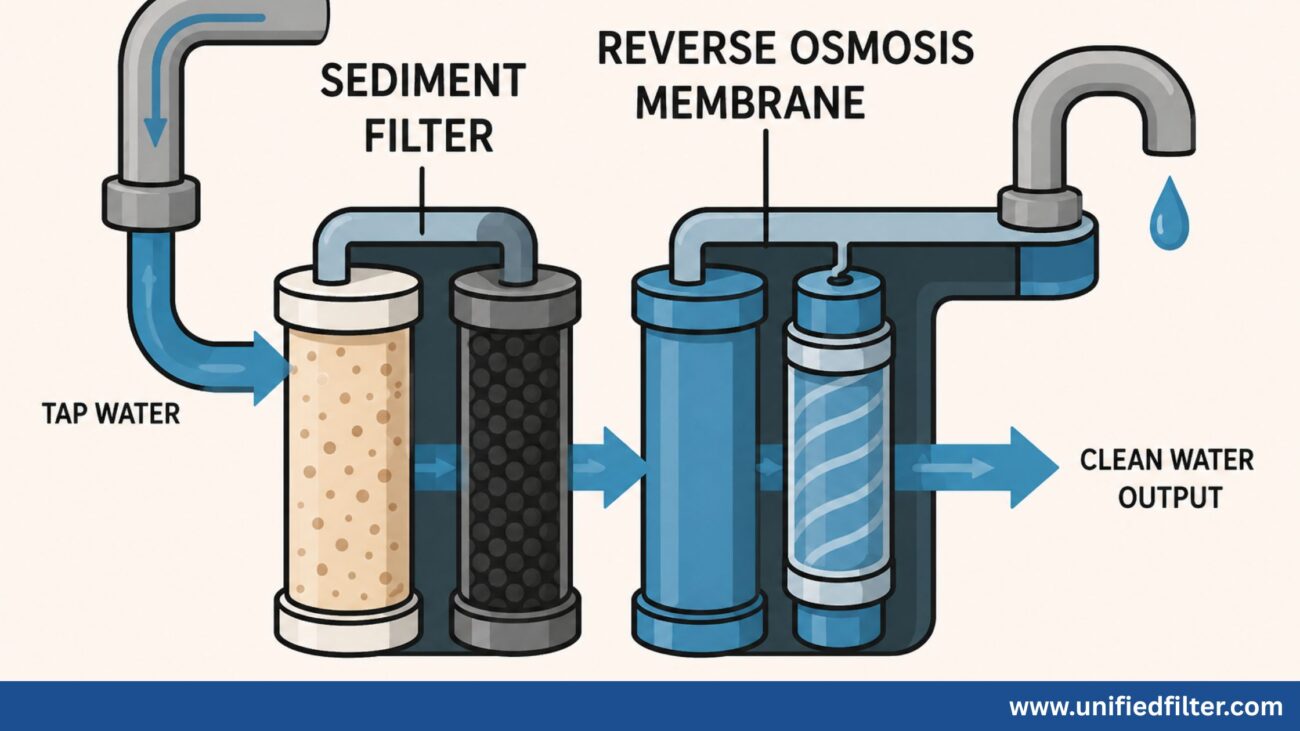
At its simplest, filtered water is water that has been passed through a physical or chemical barrier to remove impurities. The two most common methods used in home filtration are:
Activated carbon filtration: Water passes through a block of compressed carbon. Contaminants bond to the carbon surface through a process called adsorption.They stick to the carbon and do not pass through. This method is excellent for chlorine, taste, odor, lead, cysts, and pharmaceuticals. It keeps beneficial minerals like calcium and magnesium in the water.
Reverse osmosis (RO): Water is forced through a semi-permeable membrane under pressure. The membrane is so fine that most dissolved solids cannot pass through, including PFAS, fluoride, nitrates, and heavy metals. RO removes virtually everything, including minerals, which is why good RO systems add a remineralization stage.
The fridge filter in your Whirlpool, KitchenAid, or Maytag refrigerator uses activated carbon block technology. It is NSF certified to reduce 24 contaminants, which puts it in the top tier of home filtration in terms of verified performance.
According to the CDC, while tap water in the US meets EPA standards, home filtration adds an extra layer of protection, particularly for lead from household pipes, which municipal treatment does not address.
Filtered Water vs Tap Water | What Makes Filtered Water Different?
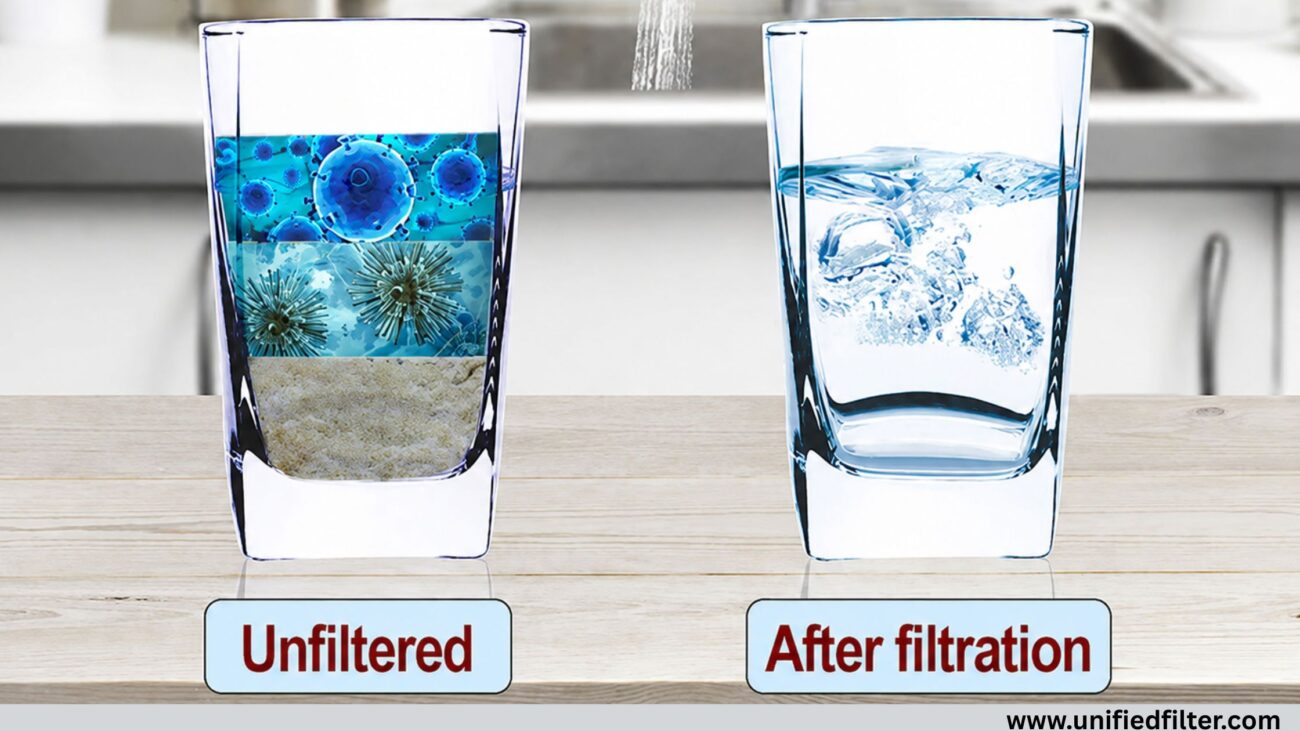
For most households in the US, Yes, filtered water is better than unfiltered tap water, with one important caveat, it depends what you are filtering out and whether the filter is actually certified to do it.
Tap water in the US meets EPA standards which means it is legally safe to drink. But ‘meets EPA limits’ and ‘contains no contaminants’ are two different things. The EPA allows trace amounts of lead, chlorine byproducts, nitrates, and other compounds up to a certain threshold. An NSF-certified filter reduces those compounds further, often to non-detect levels.
The clearest benefit most people notice is taste. Chlorine is added to municipal water as a disinfectant, it is safe, but it tastes and smells like a swimming pool. A basic NSF 42 certified carbon filter removes chlorine taste and odor completely. That alone makes filtered water noticeably better for drinking and cooking.
Filtered water from a certified NSF filter is better than tap water for taste, odor, and specific contaminant reduction. It is not a dramatic health upgrade for most city water households but it is a meaningful one.
Filtered, Purified, Distilled, and Bottled Water | What Is Actually Different?
These terms get used interchangeably, they should not be. Here is an honest breakdown:
| Type | How It’s Made | Minerals? | Contaminants? | Best For |
| Filtered water | Carbon or RO filtration | Kept (carbon) or removed (RO) | Reduced — NSF certified | Daily drinking, cooking, ice |
| Purified water | RO, distillation, or deionization | Removed | Virtually all removed | Lab use, medical, sensitive needs |
| Distilled water | Boiled into steam, recondensed | Removed | Most removed | Steam irons, car batteries, lab use |
| Tap water | Municipal treatment — chlorine etc. | Kept | Meets EPA limits — not zero | Cooking, cleaning |
| Bottled water | Often filtered tap water | Varies | Varies — less regulated than tap | Convenience only |
Is bottled water just filtered tap water?
Often, yes. The NRDC found that roughly 25-45% of bottled water in the US is sourced from municipal tap water. The same water that comes out of your faucet. It is then filtered, sometimes treated with minerals, and sold for 300-2,000 times the cost of tap water. The FDA regulates bottled water, but its standards are actually less strict than the EPA’s standards for tap water in some areas.
A home filter produces water that is as clean, often cleaner than most bottled water, at a fraction of the cost. The genuine EveryDrop fridge filter costs about $90-$110 per year. The average American household spending on bottled water is over $300 per year. The math is not close.
Is distilled water the same as filtered water?
No. Distilled water is made by boiling water into steam and condensing it back into liquid leaving almost everything behind, including minerals. It is very pure but essentially flat-tasting and not ideal for daily drinking because it lacks minerals your body needs. Filtered water keeps beneficial minerals while removing contaminants. For daily drinking, filtered water is the better choice.
What Filtered Water Removes and What It Does Not
This depends entirely on the filter certification. It depends on which NSF standard the filter carries. A filter claiming to remove something without NSF certification is an unverified claim. Here is what certified home filters actually remove:
NSF 42 certified: Chlorine taste and odor, some sediment and particles.
NSF 53 certified: Lead, cysts (Cryptosporidium, Giardia), mercury, asbestos, and specific VOCs.
NSF 401 certified: Pharmaceuticals (atenolol, carbamazepine, ibuprofen), BPA, estrone, and other emerging contaminants.
NSF P473 / NSF 58: PFAS compounds and fluoride (RO systems only).
The genuine EveryDrop fridge filter is certified to NSF 42, 53, and 401 covering all three tiers above for a total of 24 verified contaminants. Most pitcher filters are only NSF 42 certified chlorine taste and odor only. That gap matters if lead or pharmaceuticals are your concern.
You can verify any filter’s NSF certification at nsf.org/consumer-resources/articles/water-filters. Search by brand or model number to confirm what is actually certified.
Is Filtered Water Safe for Babies, Pets, and Plants?
Is filtered water safe for babies?
Yes, filtered water from an NSF 53 or NSF 401 certified filter is safe for babies and recommended by pediatricians for formula preparation. The key concern for infants is lead, which NSF 53 certified filters reduce to safe levels. Unfiltered tap water from homes with old pipes carries a real lead risk for infants, whose developing nervous systems are particularly vulnerable.
According to the CDC, parents should use cold filtered water for formula preparation, never hot tap water, which carries higher lead concentration. Source: cdc.gov/nceh/lead/prevention/drinking-water.htm
Is filtered water good for pets?
Yes. Pets benefit from filtered water for the same reasons humans do, reduced chlorine, lead, and chemical contaminants. Cats in particular are sensitive to chlorine taste and may drink more water when it is filtered. There is no harm in giving pets filtered water, and some evidence that it reduces long-term exposure to contaminants.
Can you use filtered water for plants?
Yes, and some plants actually prefer it. Chlorine in tap water can inhibit the beneficial microbes in soil over time. Filtered water removes chlorine while keeping minerals that plants need. However, distilled or RO water without remineralization lacks those minerals and is not ideal for long-term plant watering.
The Real Benefits of Drinking Filtered Water Every Day
The benefits of filtered water are real but worth stating accurately rather than overselling:
- Better taste and smell — chlorine and its byproducts are removed
- Reduced lead exposure — important for households with older plumbing
- Lower pharmaceutical exposure — NSF 401 certified filters reduce trace medications
- Reduced chlorine byproducts — trihalomethanes and haloacetic acids form when chlorine reacts with organic matter
- Clearer ice — filtered water produces clearer, better-tasting ice cubes
- Cost savings — significantly cheaper than bottled water over time
What filtered water does not do:
It is not medicine. It does not reverse existing health conditions. It does not remove everything from water, particularly if using a basic carbon filter rather than an RO system. The benefit is reducing ongoing exposure to trace contaminants and that compounds meaningfully over years of daily drinking.
Frequently Asked Questions
What is filtered water?
Filtered water is tap water that has passed through a filter, typically activated carbon or reverse osmosis to reduce contaminants like chlorine, lead, cysts, and pharmaceuticals.
Is filtered water better than bottled water?
Yes, Home filtered water is often cleaner than bottled water, costs far less, and produces no plastic waste.
Is filtered water the same as purified water?
No, Purified water has virtually all dissolved solids removed. Filtered water reduces specific contaminants while keeping beneficial minerals.
Is filtered water safe for babies?
Yes, NSF 53 certified filtered water is safe and recommended for infant formula preparation, particularly for reducing lead exposure.
What does filtered water remove?
Depends on the certification, NSF 42 removes chlorine taste, NSF 53 adds lead and cysts, NSF 401 adds pharmaceuticals and BPA.