
Filtered Water Dispenser | How It Works, What It Filters, and When to Replace It

You press the button on your fridge door and water comes out. Clean, cold, and ready to drink. Simple. But most people have no idea what is actually happening inside that filtered water dispenser or whether the water is as clean as they think it is.
It depends on one thing, when you last replaced the filter. A fridge dispenser with a fresh filter is one of the best home water filtration options you can have. One with an overdue filter is worse than drinking straight from the tap.
How a Filtered Water Dispenser Actually Works
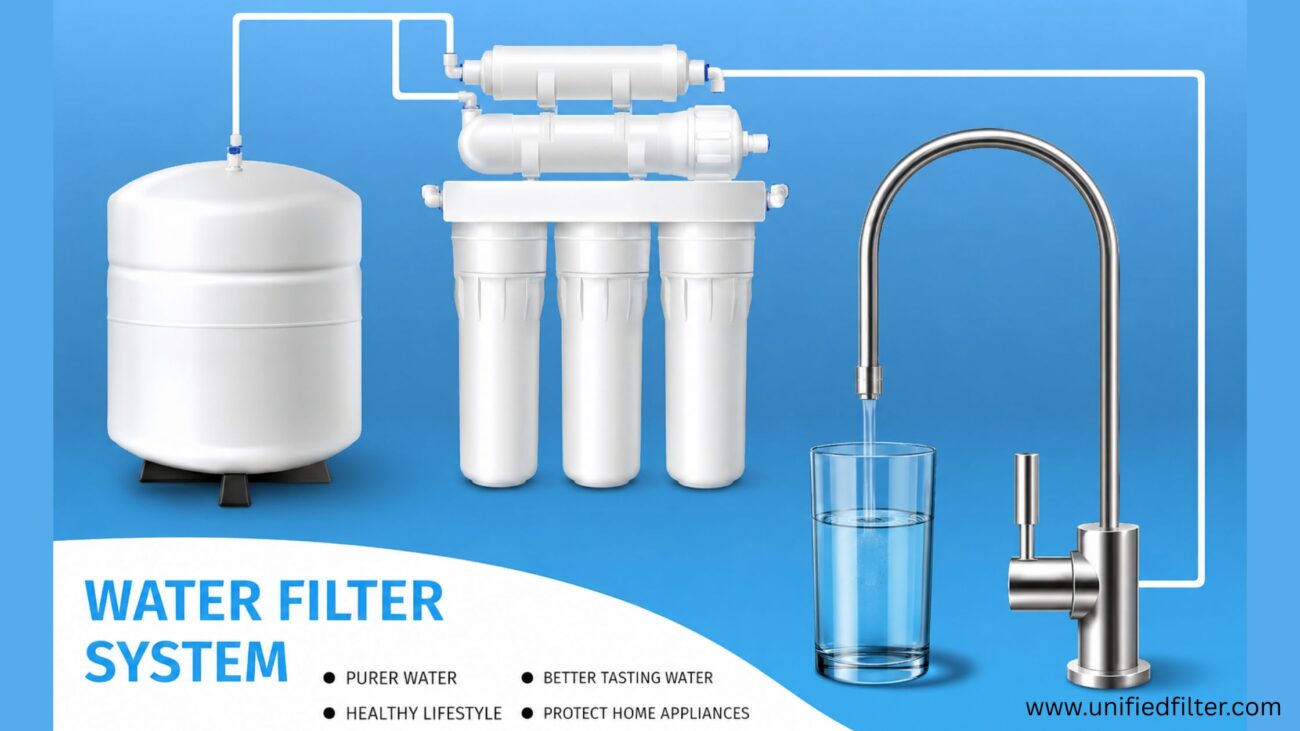
Your fridge has a water line running from the wall to the inside of the appliance. Before that water reaches your dispenser or ice maker, it passes through a filter cartridge, usually tucked in the upper interior of the fridge or at the bottom front in the base grille.
That cartridge is filled with activated carbon, a highly porous material that traps contaminants as water flows through. Think of it like a sponge that catches chlorine, lead, cysts, and other unwanted compounds, while letting clean water pass out the other side.
The carbon works through a process called adsorption. Contaminants bond to the surface of the carbon and stay there. Over time, typically 6 months or 200 gallons, the carbon gets full. When that happens, it stops trapping new contaminants. That is why replacement matters.
A used-up carbon filter does not just stop working.It can start releasing previously trapped contaminants back into your water. Replacing on schedule is not optional. Source: epa.gov/ground-water-and-drinking-water
Is the Water From Your Fridge Dispenser Actually Filtered?
Yes, if the filter is current. No, if it is overdue.
A genuine EveryDrop fridge filter, the OEM filter for Whirlpool, KitchenAid, Maytag, Amana, Jenn-Air, and Kenmore refrigerators is NSF 42, 53, and 401 certified. That means it has been independently tested and verified to reduce 24 specific contaminants, including chlorine, lead, mercury, cysts, pharmaceuticals, and BPA.
Generic filters are a different story. Many are only NSF 42 certified, which covers chlorine taste and odor. That is fine for taste. But it does nothing for lead, cysts, or pharmaceuticals. If you are using a generic filter, check its certification on nsf.org before assuming your water is fully protected.
Your fridge filtered water dispenser is only as good as the filter inside it. A fresh, genuine OEM filter, yes, it works. An overdue or uncertified filter does not count on it.
Fridge Dispenser vs Countertop Dispenser | Which One Is Actually Better?
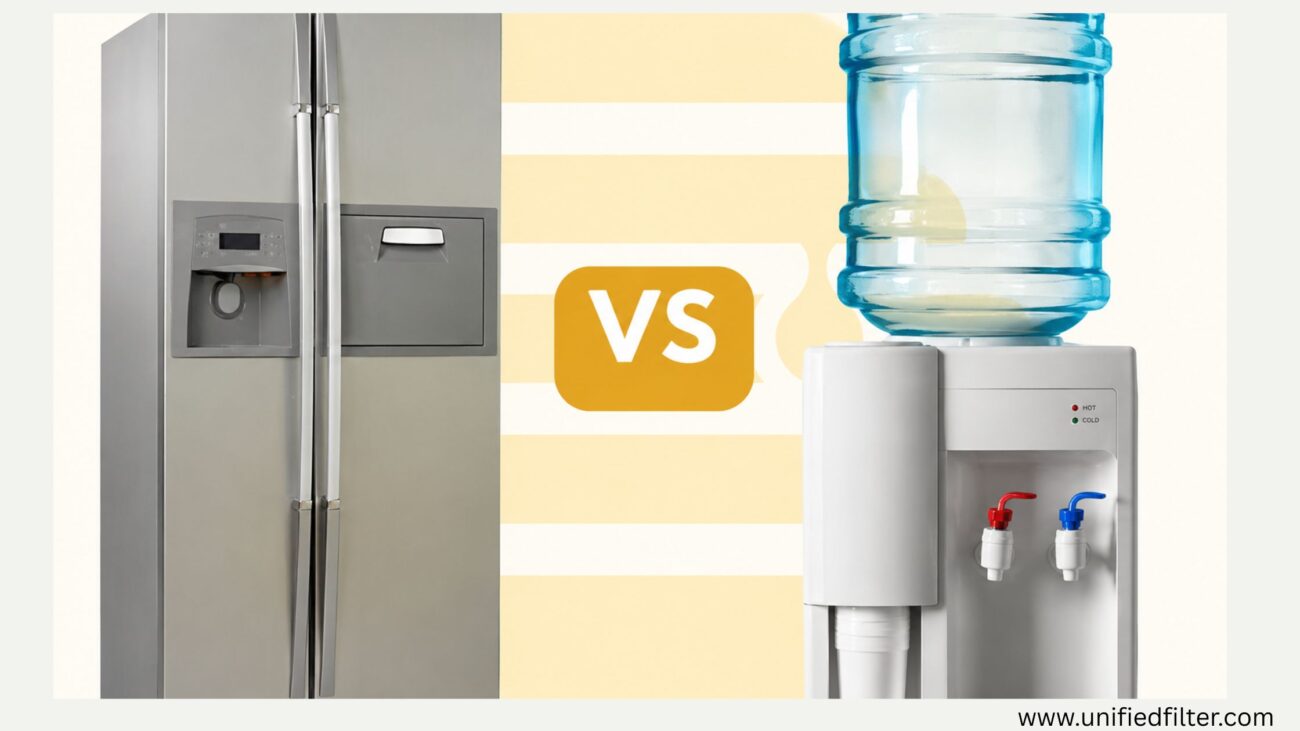
If you already own a Whirlpool-family fridge, this is not really a competition. Your built-in filtered water dispenser is already there. No installation. No extra cost. No counter space taken up. You just need to keep the filter fresh.
But if you are renting, do not own a fridge with a dispenser, or want filtered water at a different location in your home a countertop dispenser is a legitimate option. Here is how they compare:
| Type | Filtration | Installation | Annual Cost |
| Built-in fridge dispenser | 24 contaminants (NSF 401) | Zero — already there | $90-$110 |
| Countertop RO dispenser | 99%+ TDS removal | None needed | $100-$145 |
| Under sink dispenser | Chlorine, lead, VOCs | 30-60 min plumbing | $80-$150 |
| Hot/cold water dispenser | Basic carbon only | Countertop — no plumbing | $60-$120 |
| Pitcher dispenser (fridge) | NSF 42/53 basic | None | $60-$120 |
For households with a Whirlpool, KitchenAid, or Maytag fridge the built-in dispenser wins on every metric except one. It only filters water going to the fridge. If you want filtered water at the kitchen tap too, add an under sink filter. That combination covers everything at a lower total cost than most standalone dispensers.
What Makes a Good Filtered Water Dispenser?
Not all dispensers are created equal. Here is what actually matters and what is just marketing:
NSF certification, Non-negotiable. This is the only way to verify that a dispenser’s filter actually removes what it claims. Look for NSF 42 at minimum, NSF 53 for lead protection, and NSF 401 if you want pharmaceutical and BPA coverage.
Flow rate, More important than people think. A slow dispenser is frustrating. Most built-in fridge dispensers flow at 0.5-1 gallon per minute, fast enough for a glass of water or filling a bottle. Countertop RO dispensers are slower because filtration takes time.
Filter replacement cost, The number that really matters. The unit price is what you pay once. The filter cost is what you pay forever. A cheap dispenser with expensive filters will cost more over 3 years than a pricier one with affordable replacements. Always calculate annual filter cost before buying.
Filter availability. Some brands sell dispensers and then discontinue the filters. Before you buy any dispenser, check that replacement filters are widely available and have been for several years.
Why Is My Fridge Water Dispenser Not Working After a Filter Change?
This is one of the most searched questions about filtered water dispensers and the answer is almost always the same. Air got trapped in the line when you changed the filter. Here is how to fix it and other common problems:
| Problem | Most Likely Cause | Fix |
| No water coming out | Air lock after filter change | Remove filter, reinsert firmly, flush 2-3 gallons |
| Slow water flow | Filter clogged or overdue | Replace the filter |
| Water tastes bad | Filter overdue or not flushed | Replace and flush 3 gallons |
| Black specks in water | Loose carbon from new filter | Normal — flush 3-4 gallons |
| Filter light still red | Indicator not reset | Hold reset button 3 seconds |
| Water leaking from dispenser | Filter not fully seated | Remove and reinsert until it clicks |
Nine times out of ten, if your dispenser stopped working right after a filter change, remove the filter, push it back in firmly until you hear a click, and run 2-3 gallons of water through. That clears the air lock and gets things flowing again.
The Real Cost of a Filtered Water Dispenser Over Time
Most people think about the upfront price. The smarter number to look at is total cost over 3 years including filters, installation, and maintenance.
- Built-in fridge dispenser (EveryDrop OEM): $0 installation. $90-$110/year in filters. 3-year total: ~$270-$330.
- Countertop RO dispenser (e.g. AquaTru): $280-$400 upfront. $80-$100/year in filters. 3-year total: ~$520-$700.
- Under sink dispenser: $150-$400 installation. $80-$150/year in filters. 3-year total: ~$390-$850.
- Hot/cold countertop dispenser: $80-$200 upfront. $60-$120/year in filters. 3-year total: ~$260-$560.
For Whirlpool-family fridge owners the built-in dispenser is the best value filtered water option available. You are already paying for the fridge. The filter is the only ongoing cost, and at $90-$110 per year it beats almost every alternative.
Compare that to bottled water. The average American household spends over $300-$500 per year on bottled water. Most of that is filtered tap water in plastic bottles. Switching to your fridge dispenser with a current filter covers the same need for less money and zero plastic waste.
Frequently Asked Questions
What is a filtered water dispenser?
A filtered water dispenser passes tap water through a filter, usually activated carbon, before dispensing it, removing contaminants like chlorine, lead, and cysts.
How often should I replace my fridge water dispenser filter?
Every 6 months or 200 gallons, whichever comes first.
Why is my filtered water dispenser so slow?
Usually a clogged or overdue filter, Replace it and flow should return to normal.
Is the water from a fridge dispenser actually filtered?
Yes, if the filter is current and NSF certified. An overdue filter stops working and may release trapped contaminants.
What is the best filtered water dispenser for home use?
For Whirlpool-family fridge owners, your built-in dispenser with a genuine EveryDrop filter is the best value option available.