What Is a Water Filter? Types, Benefits & How to Choose the Right One

Tap water in the United States is treated before it reaches your home but treatment doesn’t mean perfect. According to the Environmental Working Group (EWG), most municipal water supplies still contain detectable levels of contaminants including lead, PFAS (forever chemicals), chlorine byproducts, and heavy metals. A water filter is your last line of defense.
Whether you’re a homeowner, renter, or business owner, understanding how water filters work and which type is right for you can make a real difference in your health, your appliances, and the taste of your water.
What Is a Water Filter?
A water filter is a device that removes impurities from water by passing it through a physical barrier, chemical process, or biological medium. Filters vary widely in how they work and what they can remove which is why choosing the right one matters.
What a filter removes depends on three main factors:
- The size of its pores (how small the holes are)
- The size of the contaminant (viruses are smaller than bacteria, which are smaller than parasites)
- The electric charge of the contaminant (some substances stick to certain filter materials)
One important point: filters can also remove beneficial minerals like calcium and magnesium. If your tap water is already safe and clean, you may not need heavy-duty filtration.
Why You Need a Water Filter
Before choosing a filter, test your water. Common contaminants found in US tap water include:
- Lead enters water through old pipes; has no safe exposure level
- PFAS (forever chemicals) industrial pollutants linked to serious health effects
- Chlorine & disinfection byproducts Added during treatment; affect taste and pose long-term health risks
- Heavy metals Arsenic, copper, barium from pipes or natural sources
- Sediment Rust, sand, and particles that cloud water and damage appliances
- Bacteria & parasites More common in well water; require specific filter types
- Nitrates Common in agricultural areas; dangerous for infants
If you’re on a public water system, your utility is required to publish an annual Consumer Confidence Report. For private well users, testing at least once a year is strongly recommended.
7 Types of Water Filters Explained
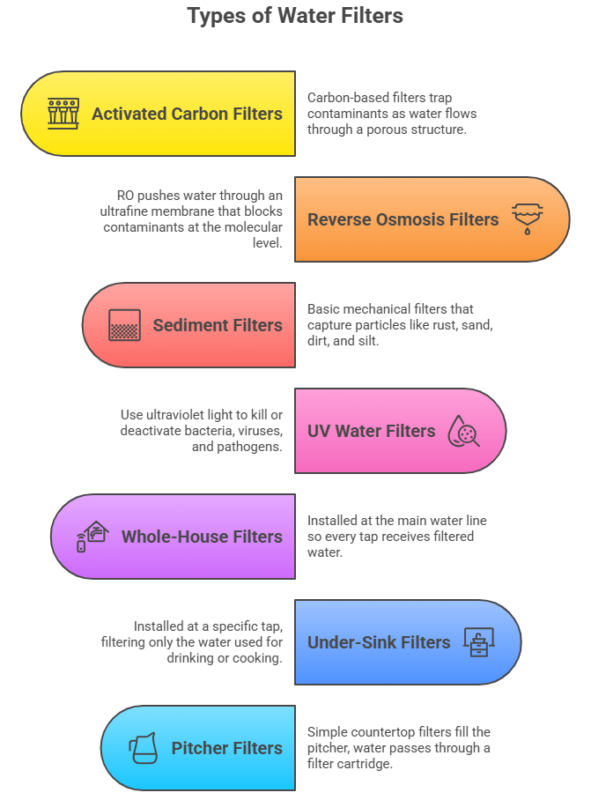
1. Activated Carbon Filters
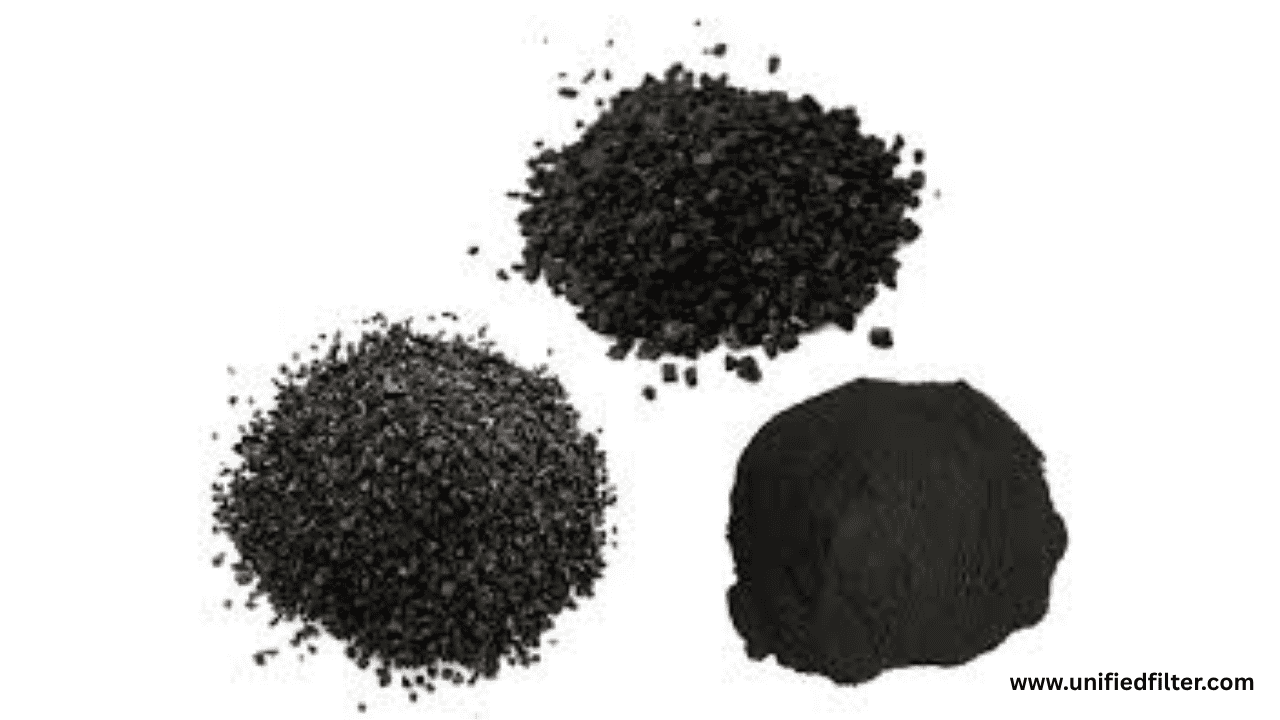
The most common type. Carbon-based filters trap contaminants as water flows through a porous structure typically made from coconut shells or wood.
Best for: Chlorine, taste & odor improvement, some heavy metals, VOCs
Not effective for: Nitrates, PFAS (most standard models), bacteria
Carbon filters come in two forms:
- Carbon block Denser, more effective, slower filtration
- Granulated activated carbon (GAC) Faster flow, slightly less effective
2. Reverse Osmosis (RO) Water Filters
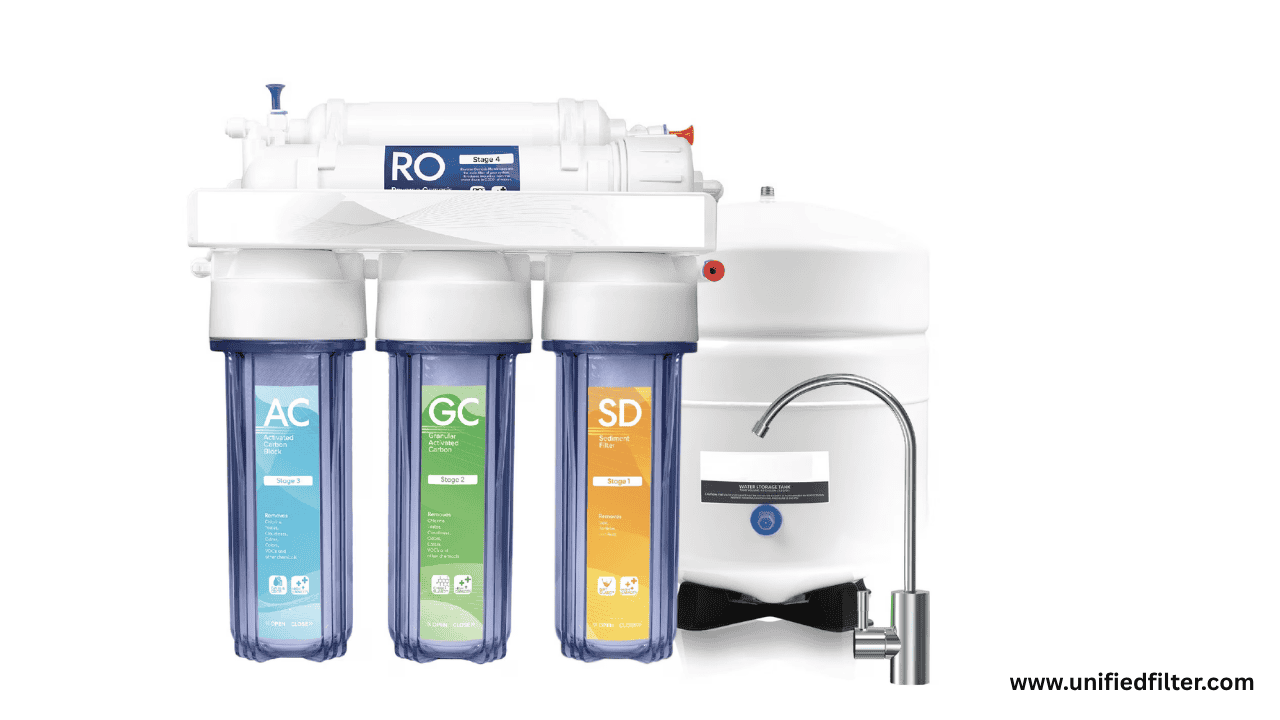
RO pushes water through an ultrafine semipermeable membrane that blocks contaminants at the molecular level. It’s the most thorough filtration method available for home use.
Best for: Lead, arsenic, PFAS, nitrates, fluoride, heavy metals, TDS reduction
Not ideal for: Renters (requires installation); produces 3–5 gallons of wastewater per gallon filtered
Independent lab testing consistently shows RO systems removing 100% of critical contaminants including lead, arsenic, and PFAS.
3. Sediment Water Filters
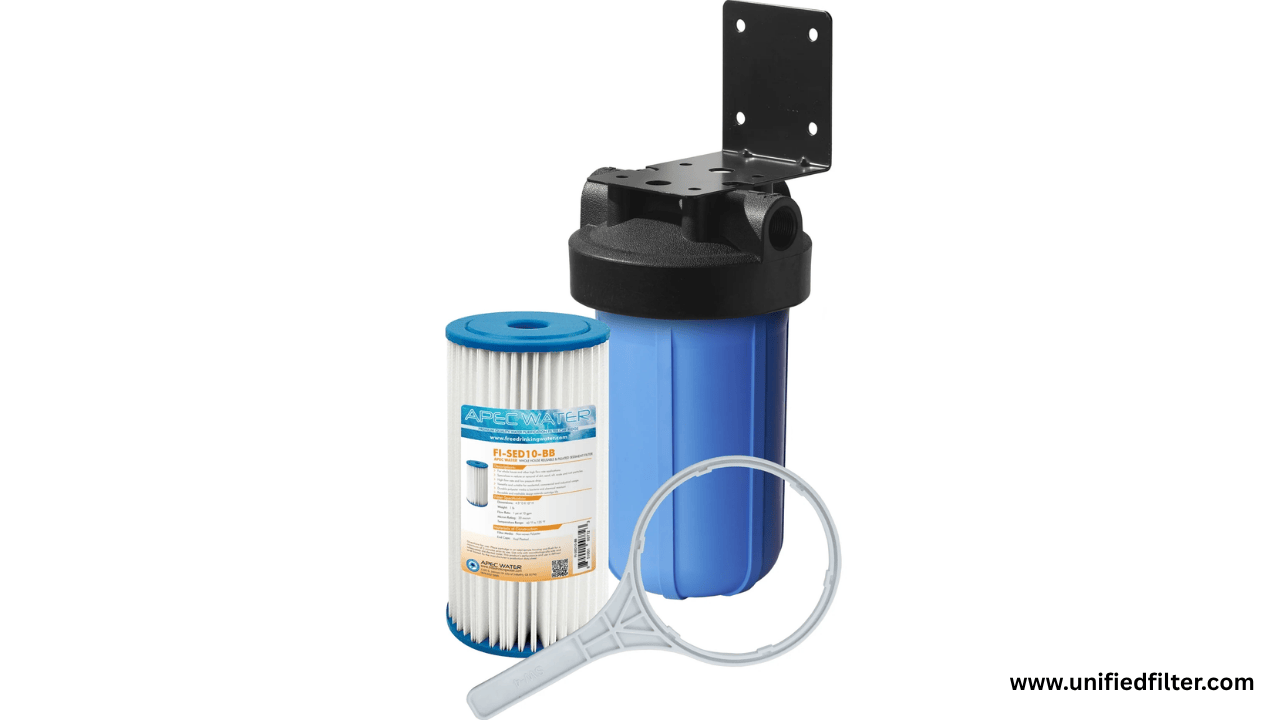
Basic mechanical filters that capture particles like rust, sand, dirt, and silt. Usually used as a pre-filter before RO or carbon systems.
Best for: Well water with visible particles; protecting downstream filters
Not effective for: Chemicals, heavy metals, bacteria
4. UV (Ultraviolet) Water Filters
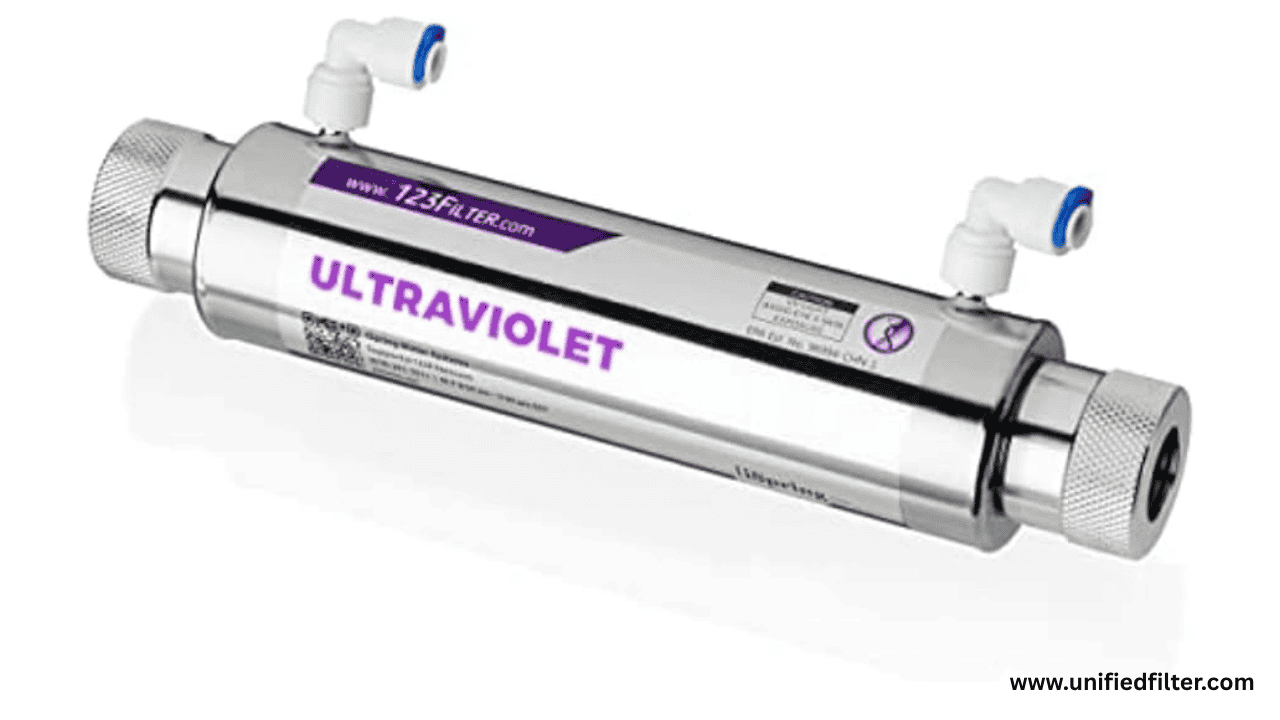
Use ultraviolet light to kill or deactivate bacteria, viruses, and pathogens without adding chemicals.
Best for: Well water with biological contamination; use alongside carbon filters
Not effective for: Chemical contaminants, heavy metals, sediment
5. Whole-House Water Filters (Point-of-Entry)
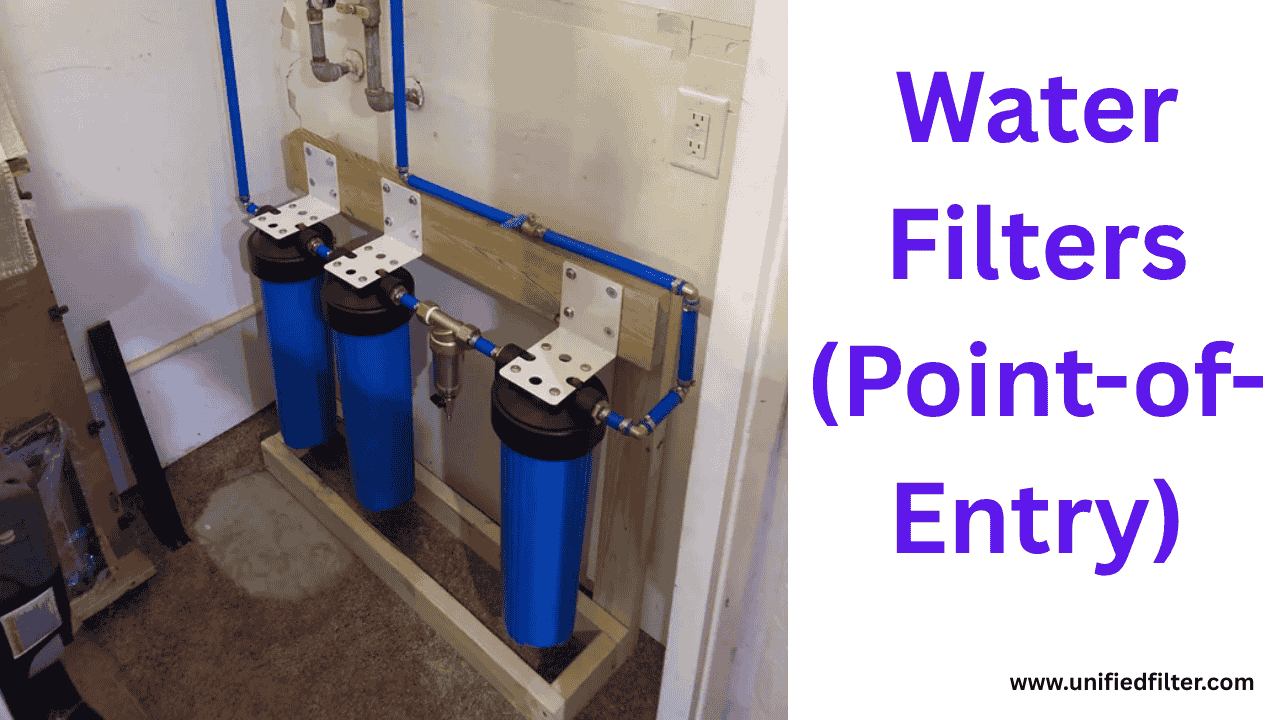
Installed at the main water line so every tap in your home , kitchen, bathroom, laundry receives filtered water.
Best for: Widespread contamination, appliance protection, VOC removal throughout the home Consider: Removing chlorine at entry point may allow bacterial growth in pipes if unmanaged
6. Under-Sink & Faucet Water Filters (Point-of-Use)
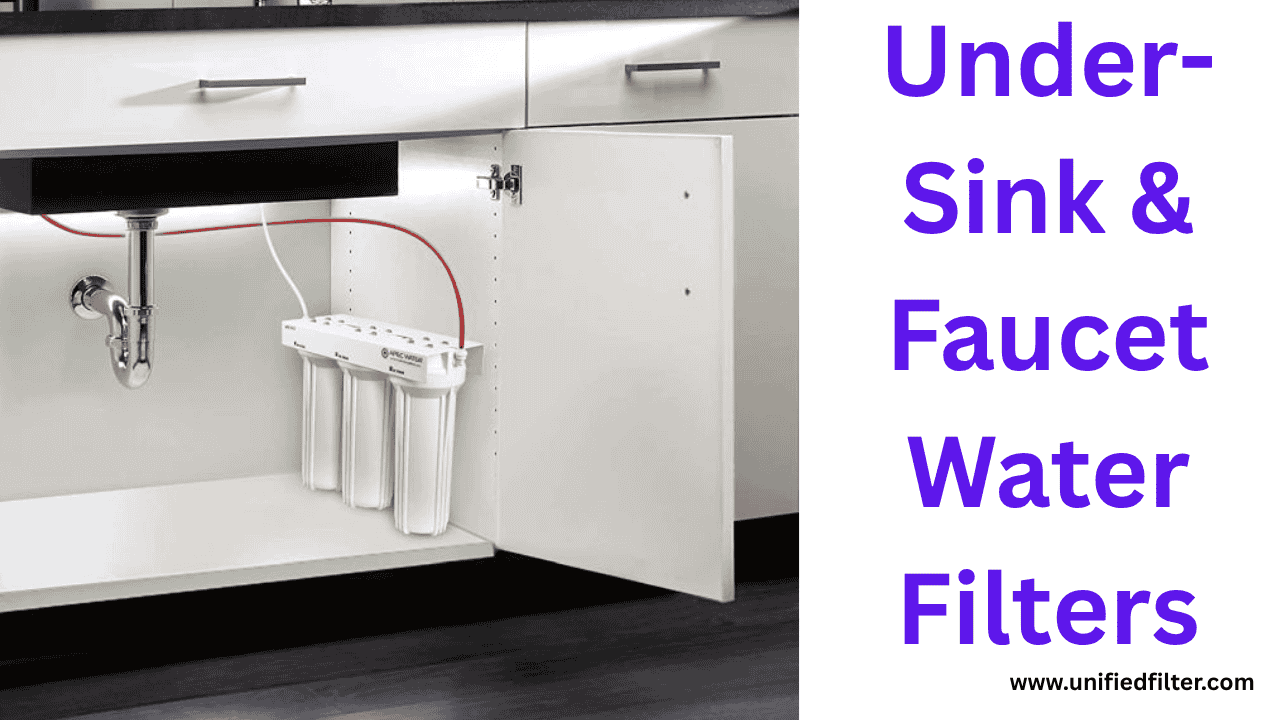
Installed at a specific tap. Filters only the water used for drinking or cooking.
Best for: Renters, apartments, targeted kitchen filtration
Not ideal for: Covering multiple taps
7. Pitcher Water Filters
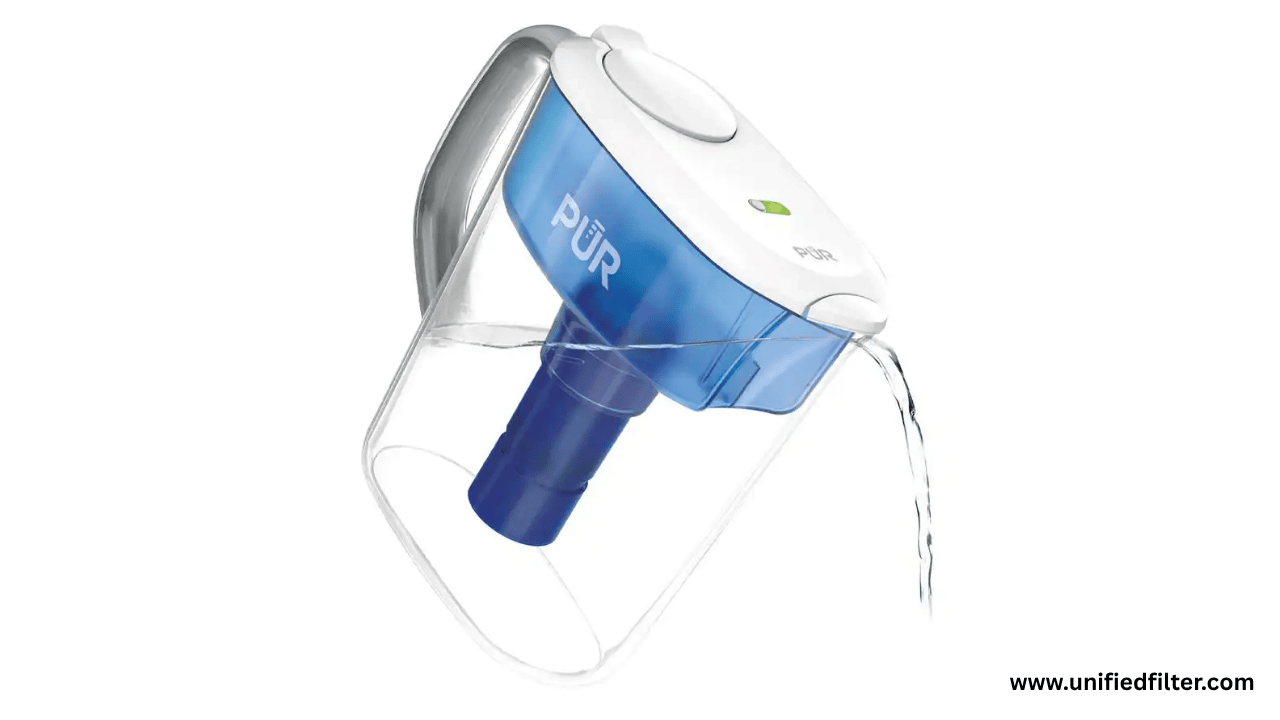
Simple countertop filters fill the pitcher, water passes through a filter cartridge.
Best for: Budget-conscious users; improving taste; small households
Limitation: Slow filtration, limited contaminant removal, frequent filter replacement needed
Water Filter Comparison Chart
| Filter Type | Contaminant Removal | Best For | Annual Cost |
| Activated Carbon | Moderate | Chlorine, taste, VOCs | $40–$120 |
| Reverse Osmosis | Excellent | Lead, PFAS, arsenic, nitrates | $75–$150 |
| Sediment | Basic | Rust, sand, silt | $20–$60 |
| UV Filter | Pathogens only | Bacteria, viruses | $50–$100 |
| Whole-House | Good–Excellent | Full home coverage | $200–$500+ |
| Under-Sink | Good–Excellent | Drinking & cooking water | $50–$150 |
| Pitcher | Basic–Moderate | Budget, small household | $40–$240 |
NSF Water Filter Certifications
Before buying any water filter, look for NSF/ANSI certification on the label. NSF International is an independent organization that tests and certifies filter performance against specific contaminants.
Key NSF standards to know:
- NSF 42 Reduces chlorine, taste, and odor (cosmetic only)
- NSF 53 Reduces health-related contaminants (lead, cysts, PFAS)
- NSF 58 Reverse osmosis systems
- NSF 401 Emerging contaminants (pharmaceuticals, pesticides)
- WQA Certified Water Quality Association standard, equivalent to NSF for many contaminants
A filter that is only NSF 42 certified will improve taste but won’t protect you from lead or PFAS. Always match the certification to your actual concern.
How to Choose the Right Water Filter: Step-by-Step
Step 1: Test Your Water First
You can’t choose the right filter without knowing what’s in your water:
- Review your utility’s Consumer Confidence Report (required by law for public systems)
- Use a certified home testing kit
- Send a sample to a professional water testing lab
Step 2: Match the Filter to Your Contaminants
| Contaminant | Recommended Filter Type |
| Lead | RO or NSF 53-certified carbon |
| PFAS | RO (NSF 58-certified) |
| Chlorine / taste | Activated carbon (NSF 42) |
| Bacteria / parasites | UV filter, RO, or nanofiltration |
| Sediment / rust | Sediment filter |
| Nitrates | Reverse osmosis |
| Hard water / minerals | Water softener or RO |
| Fluoride | Reverse osmosis |
Step 3: Consider Your Living Situation
- Renter? → Pitcher or faucet-mount filter (no installation needed)
- Homeowner, heavy daily use? → Under-sink RO or whole-house system
- Private well? → UV + sediment + carbon combination
- Budget-conscious? → Pitcher with NSF 53 certification
Step 4: Factor in Maintenance Costs
Every filter needs regular replacement to stay effective:
- Pitcher filters: every 1–2 months
- Faucet filters: every 3–4 months
- Under-sink carbon: every 6–12 months
- RO membranes: every 2–4 years
Frequently Asked Questions
What does a water filter do?
A water filter removes contaminants like lead, chlorine, and bacteria from tap water to make it safer and better tasting.
How often should I change my water filter?
Most filters should be changed every 1 to 3 months, depending on the type and how much water you use.
Does a water filter remove bacteria?
Most standard filters don’t remove bacteria you need a UV filter or reverse osmosis system for that.
What is the best water filter for home use?
A reverse osmosis system offers the most comprehensive filtration for home drinking water.
Does a water filter remove lead?
Yes reverse osmosis and NSF 53-certified carbon filters effectively remove lead from tap water.
Is filtered water better than bottled water?
Yes filtered water is cheaper, eco-friendly, and often just as clean as bottled water.
Does a water filter remove fluoride?
Most carbon filters don’t remove fluoride, but reverse osmosis systems do reduce it significantly.
How long do water filters last?
Pitcher filters last 1–2 months, faucet filters 3–4 months, and RO membranes up to 4 years.
Do I need a whole house water filter?
Only if you have contamination concerns throughout your home like sediment, chlorine, or VOCs in all your taps.
What contaminants does a water filter remove?
Depending on the type, water filters can remove chlorine, lead, PFAS, arsenic, bacteria, sediment, and heavy metals.
The Right Water Filter Makes a Real Difference
Not all water filters are created equal. A basic pitcher can improve taste; a certified RO system can bring lead and PFAS down to undetectable levels. The best water filter is the one matched to your specific water quality, household size, and budget.
At Unified Filter, we offer a range of water filtration solutions from whole-house systems to point-of-use filters built to meet residential and commercial needs. Explore our water filter solutions