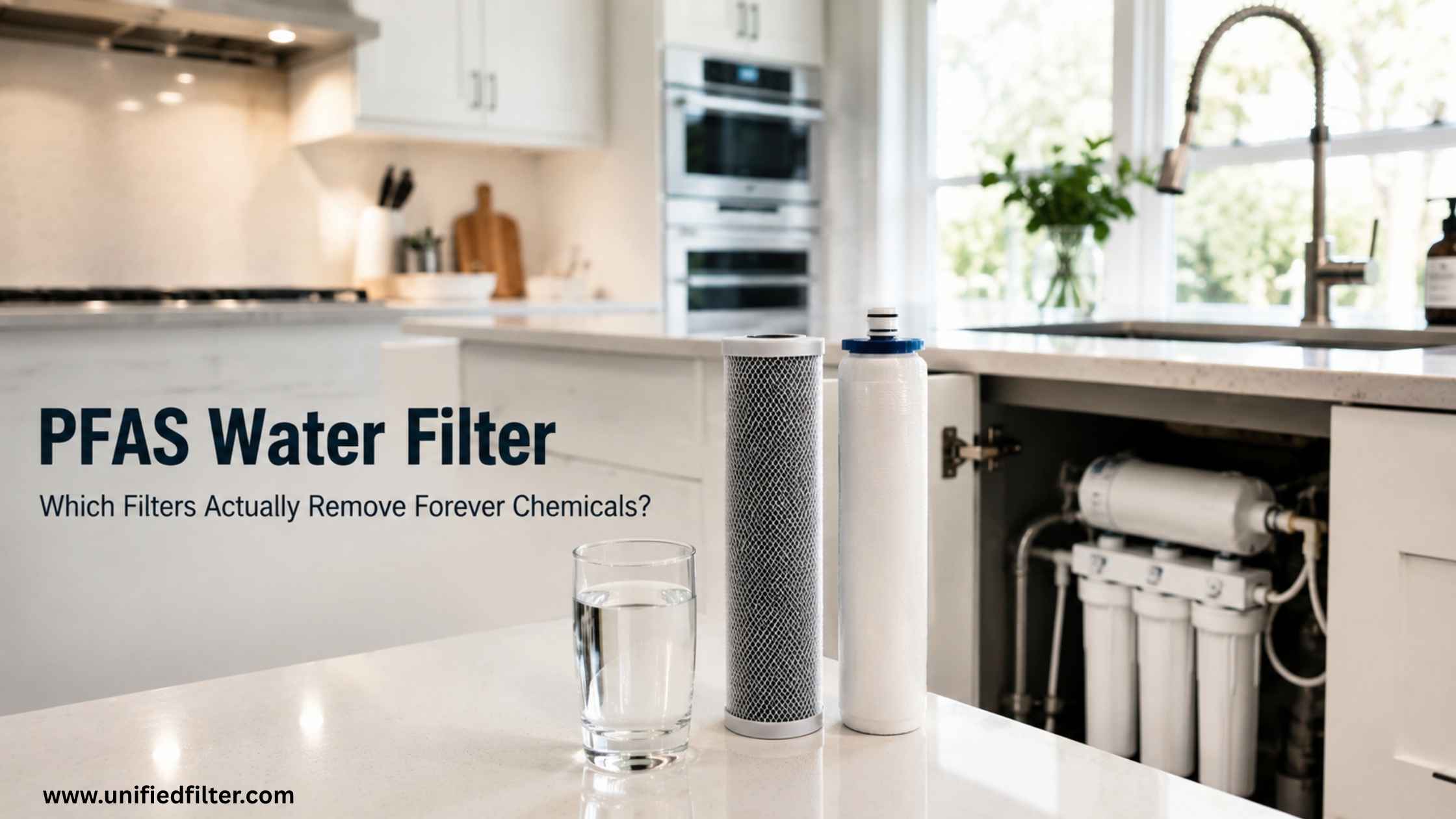
PFAS Water Filter | Which Filters Actually Remove Forever Chemicals

A 2023 USGS study found PFAS in approximately 45% of US tap water samples tested across the country. In April 2024, the EPA set the first-ever enforceable limits for PFAS in drinking water, 4 parts per trillion for PFOA and PFOS. As of 2026, there are over 9,700 confirmed PFAS contamination sites across all 50 states.
The problem is not abstract. These are forever chemicals, they do not break down in the environment or in your body. Decades of use in nonstick cookware, firefighting foam, food packaging, and industrial applications have spread them into groundwater and public water systems nationwide. The health risks include increased cancer risk, immune system disruption, and hormonal effects.
The good news: the right PFAS water filter removes them effectively. The bad news: most water filters do not remove PFAS at all and many products make unverified claims. This guide tells you exactly which filters work, which certifications to look for, and which products have independent lab data to back their claims.
What Are PFAS and Why Should You Care About Them in Your Water?
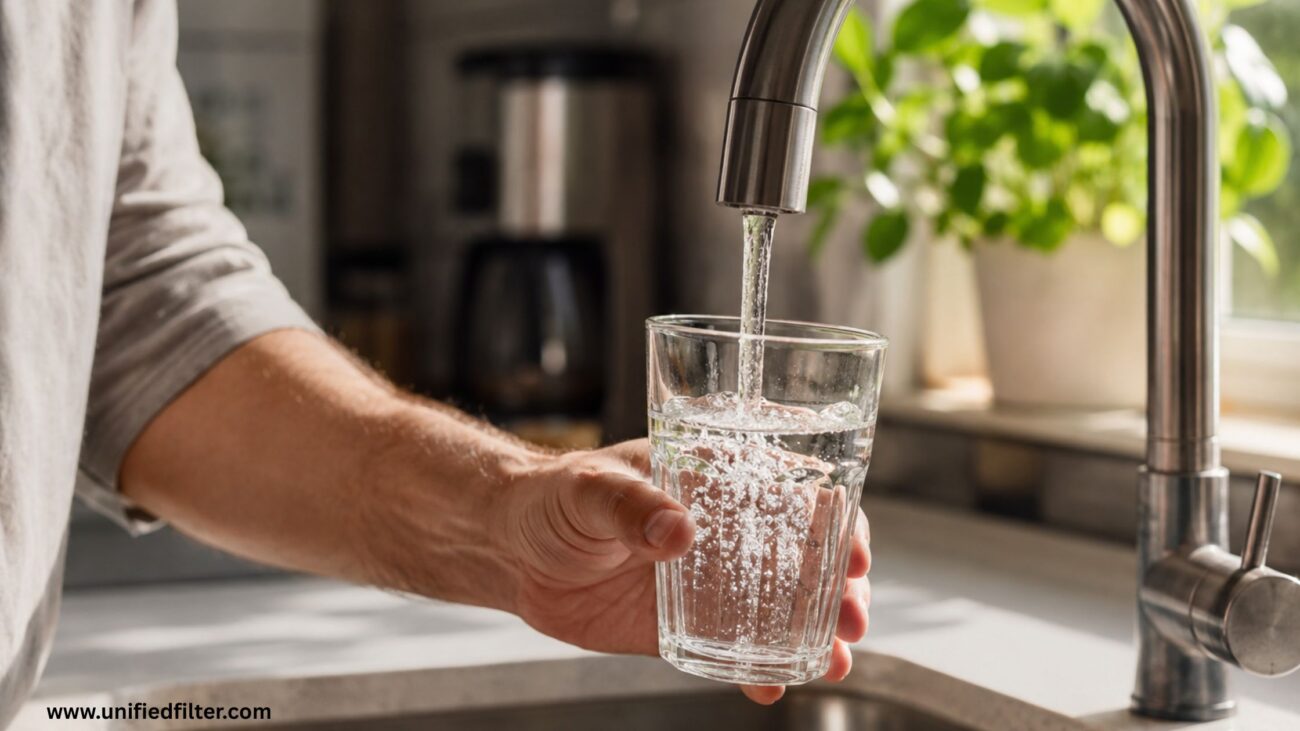
PFAS stands for per- and polyfluoroalkyl substances, a family of over 15,000 synthetic chemicals. The carbon-fluorine bond in PFAS is one of the strongest in chemistry, which is why they do not break down. That same property that made them useful in products makes them dangerous in water: they accumulate in the body over time.
Research has linked PFAS exposure to:
- Kidney and testicular cancer
- Thyroid disease
- Immune system disruption, particularly in children
- Elevated cholesterol
- Reproductive and developmental effects
The most studied PFAS compounds are PFOA and PFOS, the ones covered by the EPA’s 2024 limits. But there are thousands more. A filter certified for total PFAS covers a much broader range than one certified only for PFOA and PFOS.
Check whether your local water supply has documented PFAS contamination using the EWG Tap Water Database at ewg.org/tapwater. Enter your zip code for local water quality data.
PFAS Water Filter Technologies | What Actually Works
Not all water filters remove PFAS. Here is an honest breakdown of every major filter technology and how it handles forever chemicals:
| Technology | PFAS Removal | NSF Cert | Best For | Limitation |
| Reverse osmosis (RO) | 90-99%, most effective | NSF 58 / P473 | Comprehensive protection at kitchen sink | Water waste, slower flow |
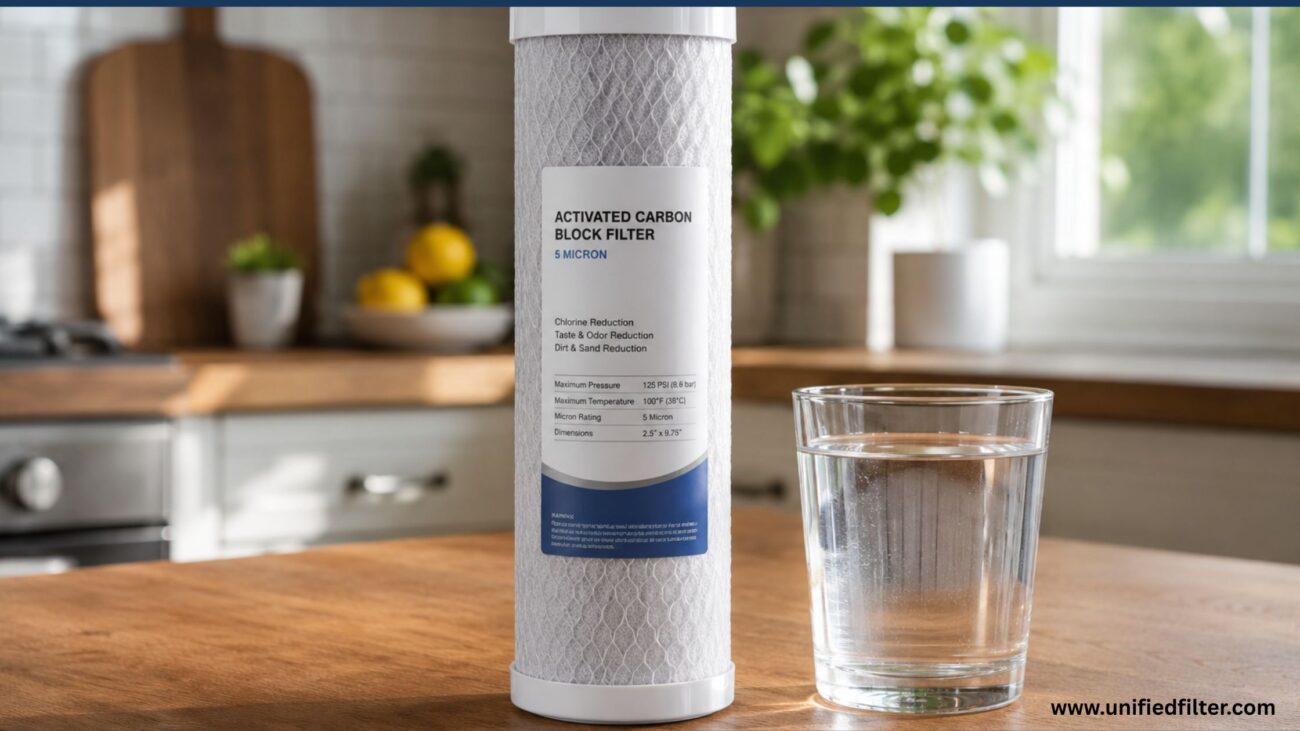
| Activated carbon block | Long-chain PFAS (PFOA/PFOS) only | NSF P473 | City water, chlorine + PFAS | Less effective on short-chain PFAS |
| Ion exchange (ZeroWater) | 99.7% total PFAS certified | NSF 53 PFAS | Pitcher, no installation | High filter cost, slow flow |
| Standard activated carbon (GAC) | Partial inconsistent | NSF 42 only | Chlorine, taste only | Not certified for PFAS removal |
| Boiling water | Zero, concentrates PFAS | None | Never for PFAS | Makes it worse |
Boiling water does not remove PFAS. It actually concentrates as water evaporates, PFAS stays behind at higher concentrations. Never rely on boiling for PFAS reduction.
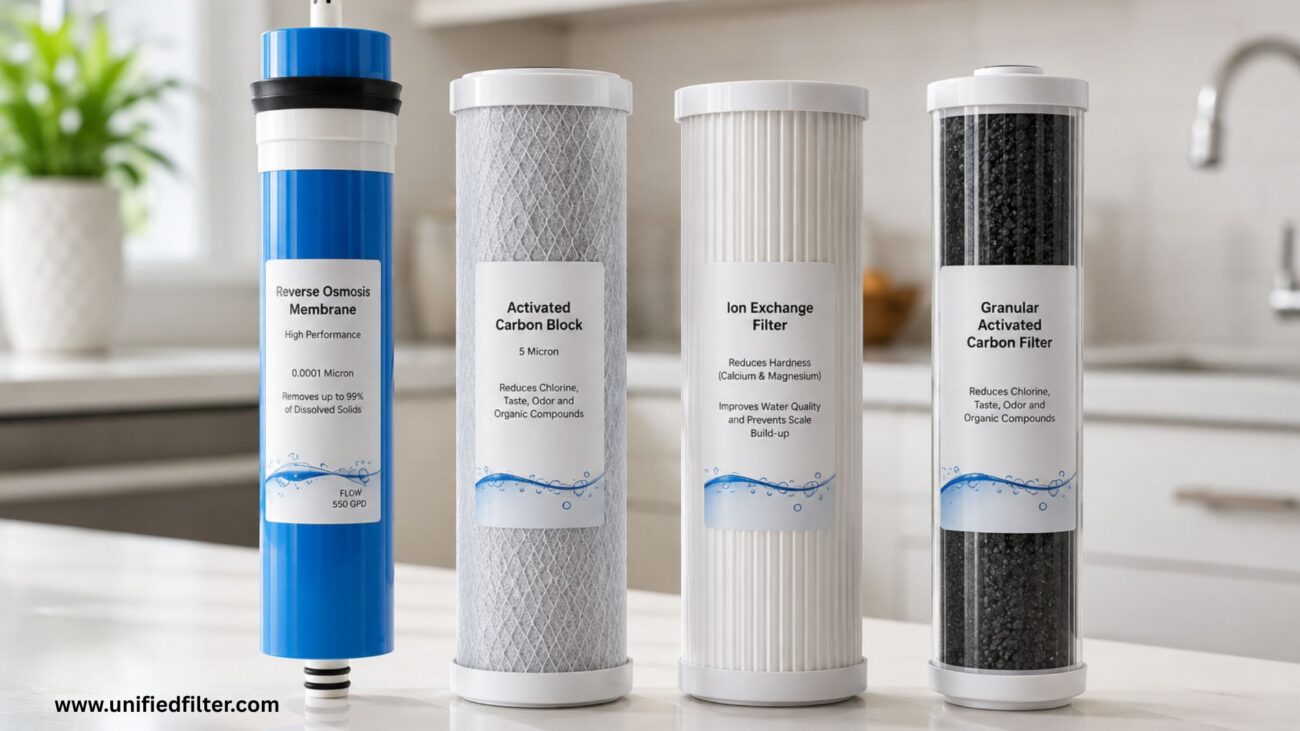
The certification that matters is NSF P473. This is the PFAS-specific certification standard, introduced after the EPA’s 2024 regulations. A filter with NSF P473 certification has been independently verified to remove PFAS to below EPA-mandated levels. NSF 42 and 53 certifications do not cover PFAS; a filter can carry both without removing any permanent chemicals.
Does Your Refrigerator Water Filter Remove PFAS?
This is the question most fridge filter owners need answered. No, standard refrigerator water filters are not certified for PFAS removal.
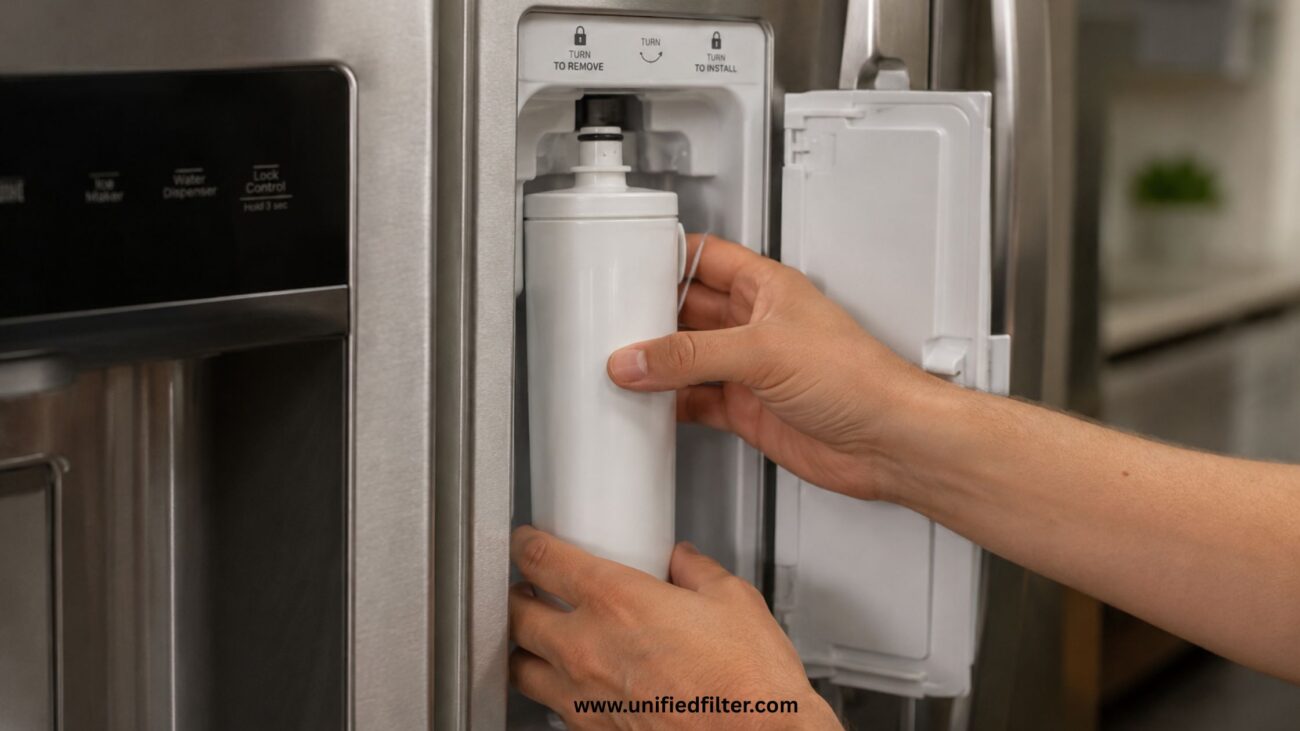
The genuine EveryDrop OEM fridge filter (NSF 42, 53, and 401) and Samsung HAF-QIN/HAF-CIN filters (NSF 42 and 53) are excellent for chlorine, lead, cysts, pharmaceuticals, and BPA. They use activated carbon block technology that does reduce some long-chain PFAS compounds, but they are not certified to NSF P473 for PFAS removal, and the reduction rate is inconsistent.
If PFAS is a specific concern in your area, your fridge filter is not sufficient as a standalone solution. You need an RO system or NSF P473 certified filter in addition to your fridge filter, not instead of it.
Practical approach is to use your fridge filter for day-to-day drinking water and ice. Add a countertop or under-sink RO system specifically for PFAS protection if your local supply has documented contamination.
Best PFAS Water Filters in 2026
Here is an honest comparison of the top PFAS water filters available in the US right now based on independent lab testing and verified NSF certification data:
| Product | Type | PFAS Removal | NSF Cert | Price | Best For |
| AquaTru Carafe | Countertop RO | 99%+ all PFAS | NSF P473 | $350-$450 | Best overall |
| Waterdrop G3 P800 | Tankless RO | 14/14 analytes ND | NSF 42/53/58 | $300-$500 | High usage families |
| Clearly Filtered Pitcher | Pitcher | 99.5% PFOA/PFOS | NSF P473 | $70-$90 | Best pitcher option |
| Culligan ZeroWater | Ion exchange pitcher | 99.7% total PFAS | NSF 53 PFAS | $30-$50 | Budget pitcher |
| Aquasana OptimH2O | Under sink | Certified PFAS removal | NSF P473/P477 | $150-$300 | Under sink with minerals |
| SpringWell CF1 | Whole house | Whole house PFAS | NSF 42 | $800-$1,100 | Every tap in home |
| Brita Standard/Plus | Pitcher | None certified | NSF 42 only | $25-$40 | Not for PFAS |
Berkey is a popular gravity filter brand that makes PFAS reduction claims. However, as of 2026, Berkey does not hold NSF P473 or equivalent independent certification for PFAS removal. Their claims are based on internal testing only. For verified PFAS protection, choose a filter with IAPMO or NSF International certification.
Which PFAS Water Filter Is Right for Your Situation?
The right filter depends on your living situation, budget, and the level of contamination in your area. Use this decision guide:
| Your Situation | Best PFAS Filter | Why |
| Renter, no plumbing changes | AquaTru Carafe (countertop RO) | NSF P473 certified, no installation |
| Budget under $100 | Clearly Filtered or ZeroWater pitcher | Certified PFAS removal at lowest upfront cost |
| Homeowner, kitchen sink filtration | Aquasana OptimH2O under sink | P473/P477 certified, keeps minerals |
| Want every tap filtered | SpringWell CF1 + under sink RO | Whole house carbon + dedicated drinking RO |
| Already have fridge filter only | Add under sink RO or countertop RO | Fridge filters are not certified for PFAS |
If you have not tested your water yet, do that first. The EWG Tap Water Database is free and covers most US zip codes. For a professional test, SimpleLab and National Testing Laboratories offer certified lab tests that identify specific PFAS compounds in your supply. Knowing exactly what you have helps you choose the right certification.
NSF P473 Certification | What It Means and How to Verify It
NSF P473 is the certification standard specifically designed for PFAS reduction in drinking water treatment devices. It was developed in response to the EPA’s 2024 PFAS limits and tests filters against PFOA, PFOS, and related compounds at realistic use conditions.
Here is what NSF P473 certification actually means:
- The filter has been independently tested by an accredited lab, not by the manufacturer
- It removes PFAS to below EPA maximum contaminant levels under normal use conditions
- Testing is conducted at both the beginning and end of filter life, not just on a fresh cartridge
- The certification is renewed periodically, not a one-time pass
You can verify any filter’s NSF P473 certification directly at nsf.org. Search by brand or model number. If a filter claims NSF P473 certification but does not appear in the NSF database, the claim is unverified.
Some filters carry IAPMO certification rather than NSF, both are accredited certifying bodies. IAPMO certification for PFAS under NSF/ANSI 53 or 58 is equally valid. The key is independent third-party certification from an accredited body.
Protect Your Drinking Water From PFAS
For everyday drinking water and ice, a genuine fridge filter, Samsung or EveryDrop OEM handles chlorine, lead, cysts, and pharmaceuticals. For PFAS specifically, add a certified countertop or under-sink RO system.
UnifiedFilter.com stocks genuine Samsung and EveryDrop fridge filters with fast shipping ,the foundation of your home water filtration. For PFAS-specific systems, the brands listed above are where to look.
Does a refrigerator water filter remove PFAS?
Standard fridge filters are not NSF P473 certified for PFAS removal. For verified PFAS protection, add a certified RO or NSF P473 carbon filter.
What is the best PFAS water filter?
AquaTru Carafe (countertop RO) for no-installation, Clearly Filtered for best pitcher, and Aquasana OptimH2O for under-sink, all hold NSF P473 certification.
What does NSF P473 mean?
NSF P473 is the independent certification standard specifically for PFAS removal, verified by an accredited lab, not a manufacturer claim.
Does boiling water remove PFAS?
No, boiling concentrates PFAS as water evaporates. Only certified filtration removes PFAS from drinking water.
How do I know if my water has PFAS?
Check ewg.org/tapwater for a free local overview, or order a professional water test from SimpleLab for specific compound detection.