Blog
Water Filtration Systems for Homes | How to Choose the Right One for Your Water

Most people choose a water filtration system the wrong way. They see an ad, pick a filter that looks good, and install it without ever checking what is actually in their water. Then they wonder why the water still tastes off or why they spent $500 on an RO system when a $50 fridge filter would have done the job.
The right water filtration systems for homes starts with one question, what is wrong with your water? Your water supply determines your filter, not the other way around. This guide walks you through how to figure that out, then helps you match the right system to the right problem.
Why You Should Test Your Water Before Buying Any Filtration System?
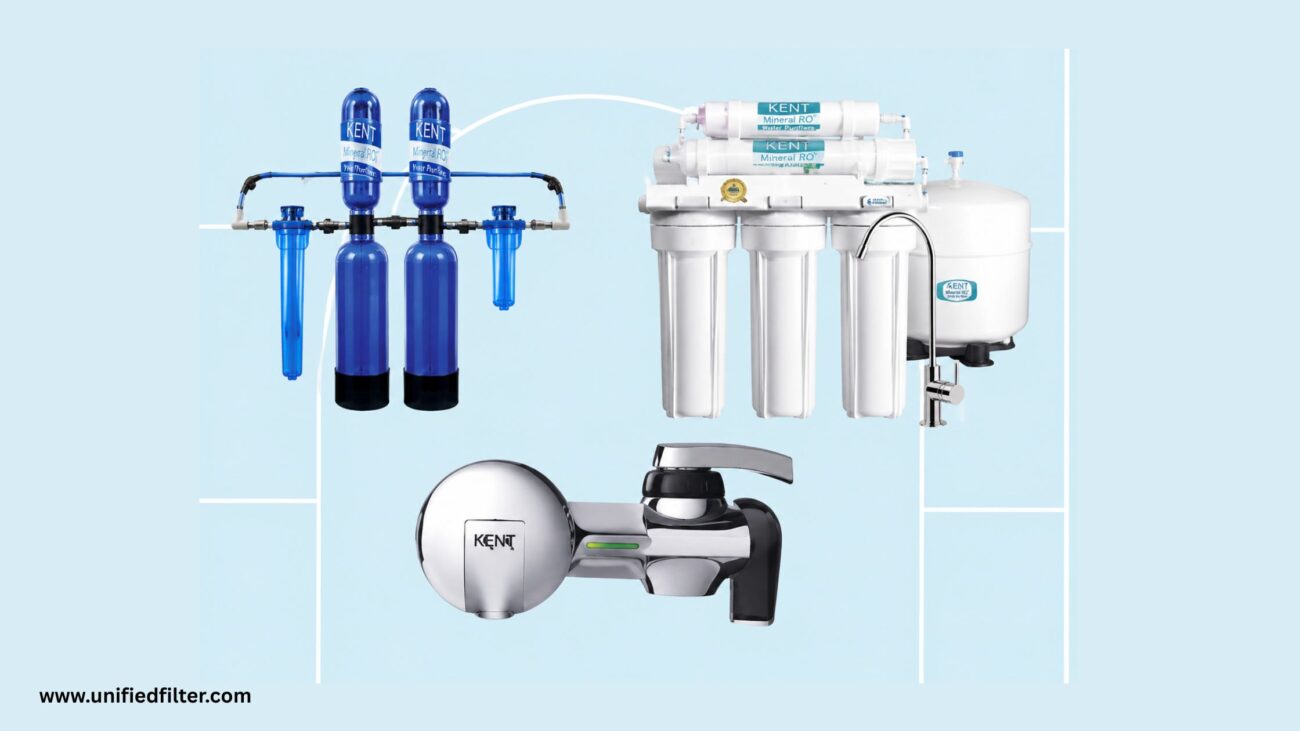
The uncomfortable truth, most American households do not need an expensive filtration system. If you are on city water in a well-maintained area, your water meets EPA standards. That does not mean it is perfect.Chlorine taste, trace lead from old pipes, and pharmaceutical residues are real concerns. But it does mean an RO system costing $400 is probably overkill.
Testing your water takes the guesswork out of this decision completely. You will know exactly what is in your supply and you can buy a system certified to remove those specific things rather than throwing money at broad-spectrum filtration you may not need.
How to test your water
Free option: Check the EWG Tap Water Database at ewg.org/tapwater. Enter your zip code and see what has been detected in your local supply. This does not test your specific tap but it tells you what to watch for.
Basic home test ($15-$30): Test strips from brands like Safe Home or Watersafe detect pH, hardness, chlorine, lead, and nitrates. Good for a quick snapshot but not lab-accurate.
Professional lab test ($50-$150): EPA-certified labs like SimpleLab or National Testing Laboratories test your specific tap water with detailed results. Worth it if you are on well water or have specific health concerns.
If you are on city water and your main concern is taste and odor you can skip the test and go straight to a certified carbon filter. Testing matters most for well water households or anyone near industrial areas.
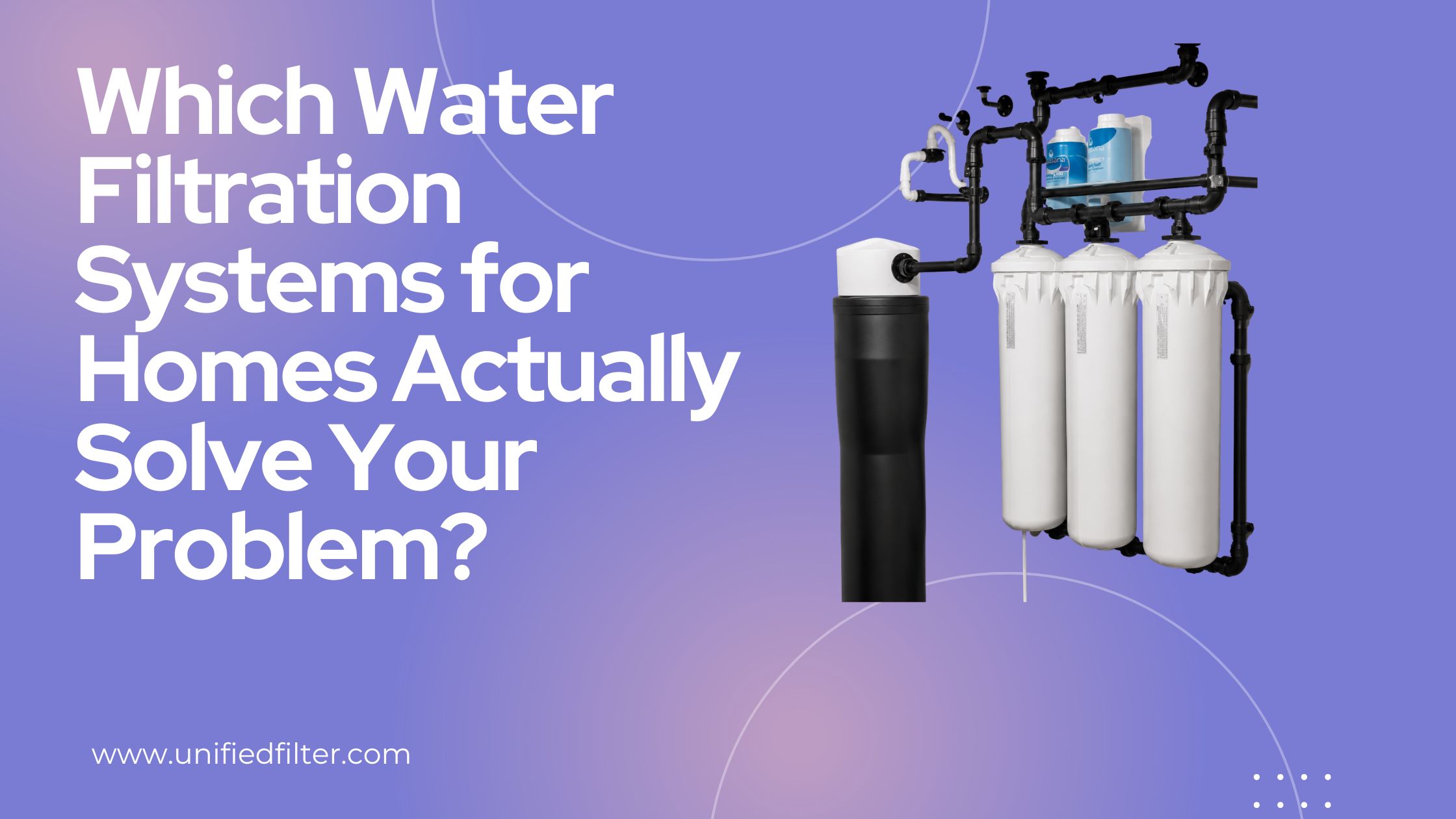
Which Water Filtration Systems for Homes Actually Solve Your Problem?
Once you know what is in your water, matching a system is straightforward. Here is a problem-to-solution guide covering the most common home water filtration concerns:
| Water Problem | What Causes It | Best Filter System | Minimum Certification |
| Chlorine taste/smell | Municipal treatment | Fridge filter or under sink carbon | NSF 42 |
| Lead | Old pipes, solder | NSF 53 certified fridge or under sink | NSF 53 |
| Pharmaceuticals/BPA | Trace amounts in supply | NSF 401 certified filter (EveryDrop OEM) | NSF 401 |
| PFAS contamination | Industrial runoff | RO system or NSF P473 certified | NSF P473 or 58 |
| High TDS/hard water | Minerals, well water | Reverse osmosis | NSF 58 |
| Nitrates | Agricultural runoff, well water | RO system | NSF 58 |
| Bacteria/viruses | Well water, flooding | UV sterilization + RO | NSF 55 |
| Sediment/cloudiness | Old pipes, well water | Sediment pre-filter + carbon | NSF 42 |
A few things worth noting. First NSF certification numbers matter. A filter claiming to remove lead without NSF 53 certification is making an unverified claim. Always check the certification, not just the marketing. Second, you can stack systems. A fridge filter covers your drinking water and ice. An under sink filter covers cooking water. These do not compete.They complement each other.
Does Your Water Come From a City or a Well? It Changes Everything.
City water and well water have completely different problems and need completely different solutions. This is the most overlooked part of choosing a water filtration system for the home.
| Water Source | Common Issues | Recommended System |
| City/municipal water | Chlorine, chloramines, lead from pipes, trace pharmaceuticals | Fridge filter (NSF 401) + under sink for kitchen tap |
| Well water — tested clean | Hardness, sediment, occasional bacteria | Sediment pre-filter + carbon block under sink |
| Well water — high TDS | Heavy metals, nitrates, bacteria, dissolved solids | RO system with UV stage |
| City water — PFAS area | PFAS compounds, industrial contaminants | RO system or NSF P473 whole house |
City Water Households
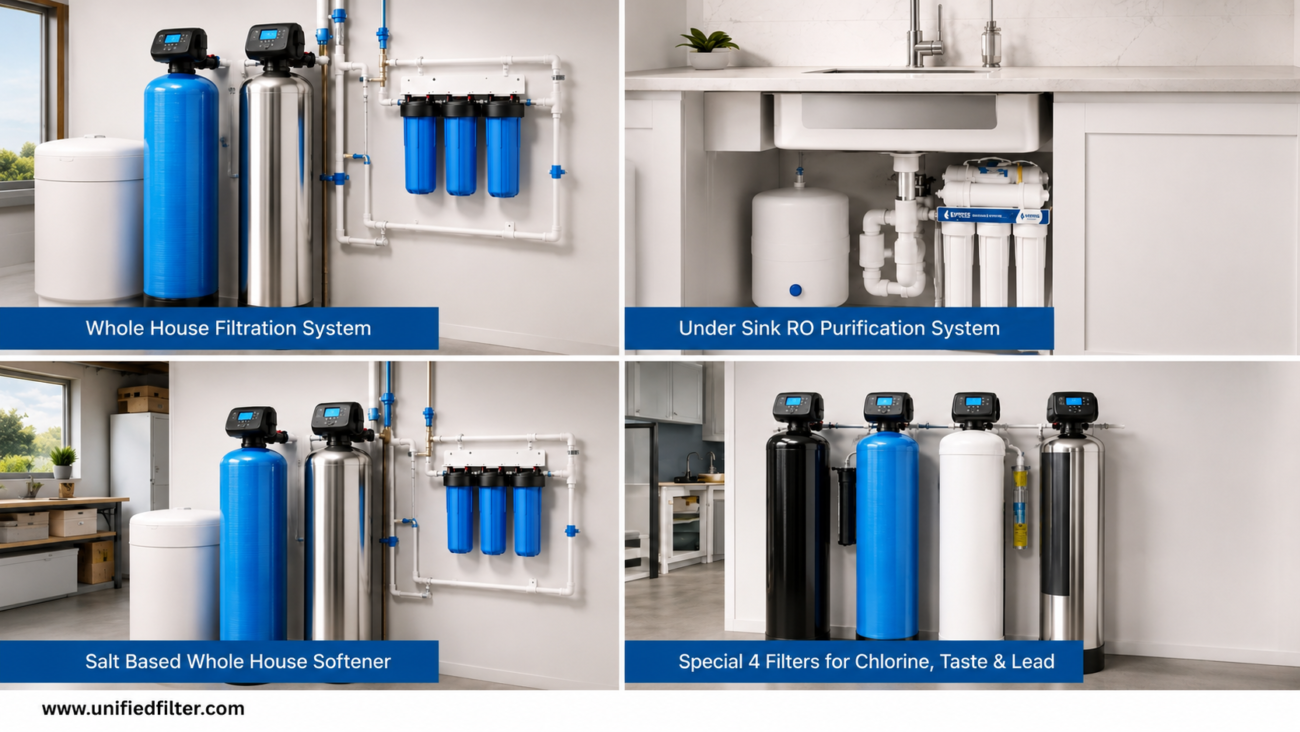
If you are on city water, your biggest concerns are typically chlorine or chloramine taste, trace pharmaceuticals, and lead from old pipes in your home. A genuine EveryDrop fridge filter NSF 42, 53, and 401 certified, covers all three for your drinking water and ice. For cooking water at the kitchen tap, add an under sink carbon filter and you are covered.
Most City Water Households do not need an RO system.
An exception is that if you live near an industrial site with confirmed PFAS contamination, your area has documented nitrate issues, or a recent water quality report flagged something specific. In those cases, Yes RO is the right call.
Well water households
Well water is a completely different story. There is no municipal treatment.Whatever is in the ground ends up in your tap. Hardness, iron, sulfur, bacteria, nitrates, arsenic the list of potential issues is long. If you are on well water and have never had it professionally tested, do that before buying anything.
Most well water households end up needing at minimum a sediment pre-filter and a carbon block filter. If TDS is high or bacteria is present, an RO system with a UV stage is the appropriate solution. The upfront cost is real, but so is the risk of drinking untreated well water.
What Water Filtration System Can You Get for Your Budget?
The best system is the one that fits your actual water problem within a budget you can sustain long-term. A $600 RO system you struggle to maintain is worse than a $90 fridge filter you replace on schedule.
| Budget | Best System | What You Get | Annual Cost |
| Under $100/year | Fridge filter (EveryDrop OEM) | 24 NSF contaminants, drinking + ice | $90-$110 |
| $100-$300 upfront | Under sink carbon filter | Chlorine, lead, VOCs at kitchen tap | $80-$150/yr |
| $300-$600 upfront | Tankless RO system | 99%+ TDS, PFAS, fluoride removal | $100-$145/yr |
| $800+ upfront | Whole house system | Every tap in home filtered | $150-$300/yr |
If you already own a Whirlpool, KitchenAid, or Maytag fridge, you have a built-in NSF 401 certified filtration system that costs under $110 per year to run. That covers your drinking water and ice completely for less than most people spend on bottled water in two months.
Is a Fridge Filter Enough as a Home Water Filtration System?
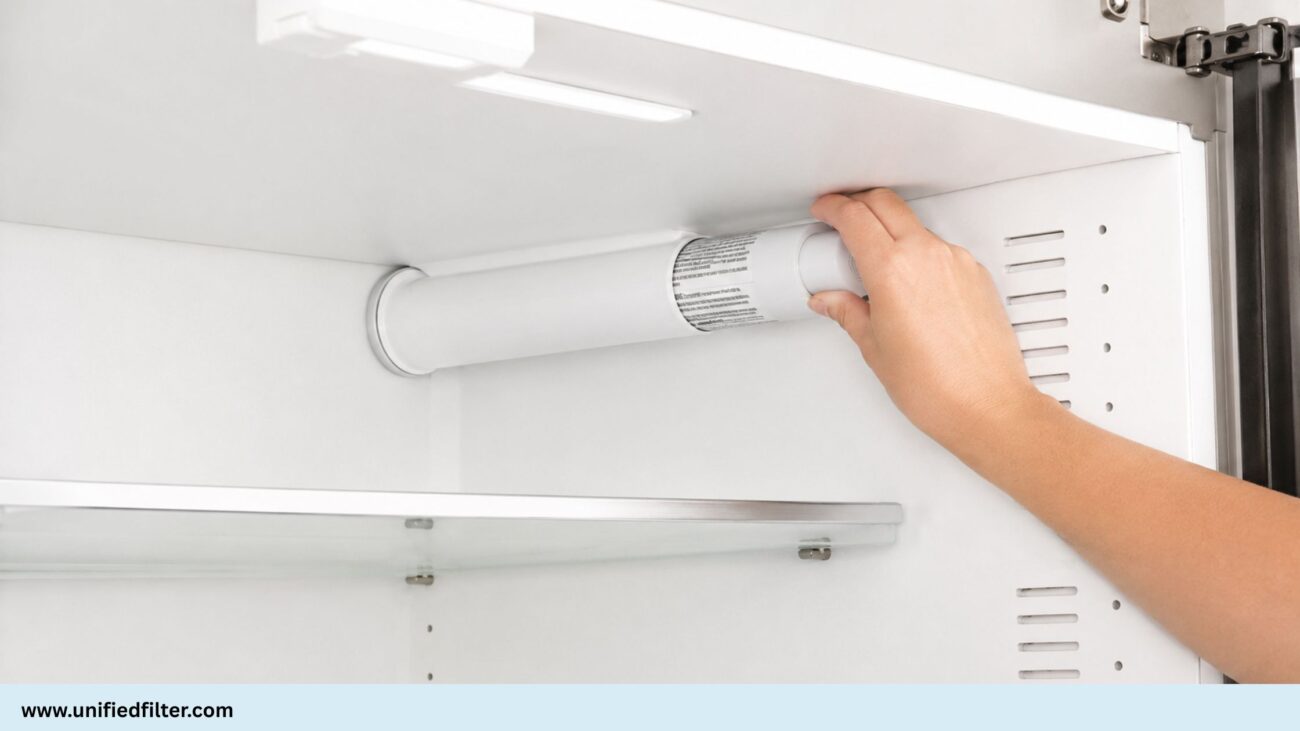
For most city water households yes, a genuine EveryDrop fridge filter is enough for your drinking water and ice. It reduces 24 NSF-certified contaminants including lead, chlorine, cysts, pharmaceuticals, and BPA. It installs in under 3 minutes and needs replacing twice a year.
What it does not cover, water at the kitchen tap for cooking. If you cook with tap water and want that filtered too then add an under sink carbon filter. That combination covers 90% of what most city water households actually need, at a fraction of the cost of a whole-house system.
What it absolutely does not cover: Well water with bacteria, high TDS, or nitrates.Fluoride removal, PFAS contamination. If any of those apply to your situation then you need a more comprehensive home water filtration system, and an RO system is the right starting point.
Which EveryDrop filter does your fridge take?
Check the label on your current installed filter, it will say Filter 1, 2, 3, 4, or 5. That is the exact replacement you need. All five are available at UnifiedFilter.com with fast USA shipping.
What Does Installing and Maintaining a Home Water Filtration System Actually Involve?
This is the part most buying guides skip. A system you cannot maintain is a system that will eventually make your water worse, not better.
Fridge filter
Twist in, twist out, done. No tools, no plumbing, takes 2 minutes. Replace every 6 months. Easiest maintenance of any filtration system.
Under sink filter
Initial installation takes 30-60 minutes and requires basic plumbing, shutting off the cold water valve, connecting supply lines, mounting the filter housing. Annual filter cartridge replacement takes 5 minutes. Most homeowners handle this themselves.
RO system
Under sink RO installation is more complex. It adds a dedicated faucet and a drain line. Most homeowners with basic plumbing skills can do it in 2-3 hours. Filter replacements involve multiple stages (pre-filter, membrane, post-filter) on different schedules, typically every 6-12 months for pre/post filters, every 2 years for the membrane.
Whole house system
Professional installation required. Point of entry systems connect to your main water line. This is a plumber job. Annual maintenance includes filter media replacement and periodic system checks. Budget $150-$300 per year for ongoing maintenance.
Maintenance cost and effort should factor into your decision as heavily as upfront price. An RO system with neglected filters produces worse water than no filter at all.
FAQ
Do I need a whole house water filtration system?
Only if you want filtered water at every tap.For most households, a fridge filter plus an under sink filter covers drinking and cooking water completely.
How do I know what is in my home’s water?
Check ewg.org/tapwater for a free local overview, or use SimpleLab for a professional lab test of your specific tap water.
What is the difference between a water filter and a water purifier?
Filters remove specific contaminants through physical or chemical processes. Purifiers (like RO or UV systems) remove virtually all dissolved solids and biological threats.
How much does a home water filtration system cost?
Fridge filters run $90-$110 per year. Under sink filters cost $150-$400 upfront plus $80-$150 annually. RO systems cost $200-$600 upfront plus $75-$145 annually.
How often do home water filters need replacing?
Fridge filters every 6 months. Under sink carbon filters every 6-12 months. RO pre-filters every 6-12 months, membranes every 2 years.